I get asked this question all the time. Friends and family want a simple answer, but it’s not that easy.
I’ve tested dozens of cameras over the years. From tiny point-and-shoots to big professional ones, they all have different strengths.
This guide will help you cut through the noise. We’ll look at the main types and what makes each one great for different people.
What Makes a Camera the Best Digital Camera?
Let’s talk about what “best” really means. It’s not about the most expensive or the one with the most buttons.
Think about what you’ll shoot most. Is it your kids, landscapes, or maybe videos for social media? Your answer points you to the right type.
Your budget is a big deal too. You can get a fantastic camera without spending a fortune. I’ll show you how.
Don’t forget about size and weight. The best digital camera is useless if it’s too heavy to carry around. You want something you’ll actually use.
Ease of use matters a lot. A confusing camera will just sit on a shelf. The best digital camera for beginners is one they can understand quickly.
Types of Digital Cameras: Finding Your Fit
Cameras come in a few main styles. Each one serves a different purpose really well.
Smartphone cameras are the most common type now. They’re always with you and take great pictures in good light. For quick snaps, they’re hard to beat.
Compact cameras, or point-and-shoots, are a step up. They fit in your pocket but have better zoom and sensors than phones. They’re simple and get the job done.
DSLR cameras are the classic choice for serious photographers. They have big sensors and you can change lenses. You see through an optical viewfinder, which some people love.
Mirrorless cameras are the new hot thing. They’re like DSLRs but smaller and lighter. They use an electronic viewfinder and often have great video features too.
Bridge cameras offer huge zoom ranges in one body. You can’t change the lens, but you get a lot of reach. They’re a good middle ground for travel and wildlife.
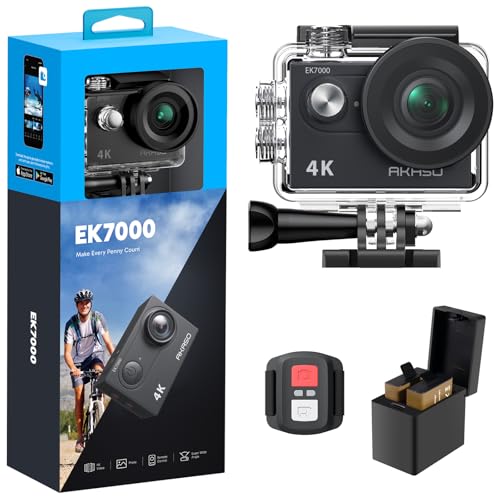
Action cameras are tiny and tough. They’re made for mounting on helmets, bikes, or anything that moves. They’re the best digital camera for capturing adventures hands-free.
Key Features to Look For in the Best Digital Camera
Camera specs can look like alphabet soup. Let’s break down what actually matters when you hunt for the best digital camera.
Megapixels aren’t everything. A 20-megapixel camera is plenty for most people. More megapixels just mean bigger files, not necessarily better pictures.
Sensor size is way more important. A bigger sensor catches more light, which means better photos in dim situations. This is a key difference between phone cameras and real cameras.
Look at the lens options. Can you change them? A camera with a fixed lens is simpler, but a system with different lenses grows with you. The best digital camera system lets you expand.
Autofocus speed and accuracy matter. You want a camera that locks onto faces and eyes quickly. This is crucial for photos of kids or pets that won’t sit still.
Check the video capabilities if you care about that. Does it shoot 4K? How’s the audio input? The best digital camera for vlogging needs a flip-out screen and good autofocus in video mode.
Battery life is a practical concern. Some cameras die after a few hundred shots. Others can go all day. The best digital camera won’t leave you stranded with a dead battery.
The Best Digital Camera for Beginners
Starting out can feel overwhelming. You don’t need the fanciest gear to take great photos.
Look for cameras with good “Auto” modes and helpful guides. Some will actually teach you as you use them. That’s a great feature for learning.
A touchscreen that tilts is super useful. It lets you take selfies or shoot from high and low angles easily. It makes the camera more fun to use.
Built-in Wi-Fi or Bluetooth is a must now. You’ll want to send photos to your phone right away to share them. The best digital camera for social media connects without hassle.
Consider a camera with a kit lens that has image stabilization. It helps you get sharp shots even if your hands aren’t perfectly steady. This is a big help for beginners.
Don’t spend too much at first. You can always upgrade later once you know what you like. The best digital camera to start with is one that doesn’t break the bank.
Read reviews from sites like DPReview. They test cameras thoroughly and explain things in plain language. It’s a great resource for honest opinions.
The Best Digital Camera for Travel and Everyday Use
When you’re on the move, size and versatility are king. You need a camera that’s ready for anything.
A mirrorless camera with a couple of small lenses is a great travel kit. You get quality photos without a heavy bag. It’s the best digital camera setup for most trips.
Weather sealing is a nice bonus if you travel a lot. It means the camera can handle a bit of rain or dust. You don’t have to panic at the first drop of water.
Good low-light performance is important. You’ll be shooting in restaurants, at night markets, or inside museums. The best digital camera for travel works well when the sun goes down.
A long zoom range in a compact body is very handy. You can capture wide landscapes and then zoom in on distant details. You don’t have to carry extra lenses.
Think about how you’ll carry it. A small camera you can slip in a jacket pocket gets used more. The best digital camera is the one you have with you.
According to travel tips from Lonely Planet, packing light is key. Your camera gear should follow the same rule. Don’t let it weigh you down.
The Best Digital Camera for Video and Content Creation
If video is your main goal, you need different features. Photo quality and video quality don’t always go hand in hand.
A fully articulating screen is a game-changer. You can see yourself while you film. This is essential for vloggers and solo creators.
Look for clean HDMI output if you stream. This lets you connect the camera to a computer for live video. The best digital camera for streaming offers this feature.
Good autofocus that tracks your face in video mode is critical. You don’t want the focus hunting around while you talk. It makes you look unprofessional.
Check for microphone and headphone jacks. Good audio makes a huge difference in how your videos feel. The best digital camera for YouTube lets you plug in a proper mic.
4K video is pretty standard now, but 1080p is still fine for most online use. Think about how much storage you’ll need for those bigger 4K files.
Some cameras even have special video features like log profiles. These give you more room to edit the color later. It’s a pro feature that’s trickling down to cheaper models.
Sensor Size: The Big Decision
This is one of the most important choices. Sensor size affects image quality, depth of field, and the size of your whole kit.
Full-frame sensors are the biggest in common cameras. They give you amazing image quality and beautiful blurry backgrounds. They’re also big, heavy, and expensive.
APS-C sensors are smaller but still very good. They offer a great balance of quality and size. Most mirrorless and DSLR systems use this size.
Micro Four Thirds sensors are even smaller. The cameras and lenses are very compact. This system is great for travel and video work.
One-inch sensors are in high-end compact cameras. They’re much bigger than phone sensors but the camera stays pocketable. It’s a smart compromise.
The NASA website shows how sensor tech has advanced. The same ideas from space cameras are in your hands now. It’s pretty cool when you think about it.
My advice? Don’t get hung up on “full-frame or bust.” A smaller sensor camera that you enjoy using is better than a big one that stays at home. The best digital camera is the one you love to shoot with.
Lenses: The Other Half of the Equation
The camera body is only part of the story. Lenses shape how your photos look and what you can shoot.
A standard zoom lens, like an 18-55mm, comes with many cameras. It’s a good general-purpose lens to start with. It covers wide shots and portraits.
A prime lens has a fixed focal length, like a 50mm. It’s often sharper and faster (lets in more light) than a zoom. It makes you move your feet to compose the shot, which is a good way to learn.
Telephoto zooms let you get close to distant subjects. They’re great for sports, wildlife, or capturing details at events. You can’t always get physically close to your subject.
Wide-angle lenses are perfect for landscapes, architecture, and tight interiors. They fit more of the scene into your frame. It gives photos a dramatic, expansive feel.
Lens quality varies a lot. A cheap, slow lens on a great camera body will hold you back. Sometimes, investing in a better lens is smarter than upgrading the body.
Think about the lens ecosystem before you buy a camera. Are there affordable options? Are the lenses you want available? The best digital camera system has the lenses you need.
Budget: How Much Should You Spend on the Best Digital Camera?
Let’s talk real numbers. You can take amazing photos at almost any price point.
Under $500 gets you a good beginner camera or a high-end used model. The used market is fantastic for value. Older pro cameras are still very capable.
The $500-$1000 range is the sweet spot for most people. You get a current model with a kit lens and great features. This is where you’ll find the best digital camera for enthusiasts.
From $1000-$2000, you’re looking at advanced bodies and better lenses. This is serious hobbyist or semi-pro territory. The build quality and performance take a big jump.
Over $2000 is professional gear. You’re paying for ruggedness, speed, and the ultimate image quality. For most people, this is overkill. The best digital camera isn’t always the most expensive.
Remember to budget for extras. You’ll need memory cards, maybe an extra battery, and a bag. These add-ons can cost a couple hundred dollars easily.
My rule? Spend about half your budget on the body and half on lenses to start. A mid-range body with a great lens beats a fancy body with a bad lens every time. That’s how you find the best digital camera setup for your money.
Trying Before You Buy: A Crucial Step
Online reviews are helpful, but nothing beats holding a camera in your hands.
Go to a camera store if you can. Feel the buttons and dials. Is the menu system easy to navigate? The best digital camera will feel good to use.
Check the weight with a lens attached. A camera that feels light in the store might feel heavy after a day of walking around. Your wrist will thank you for testing this.
See how it fits in your hands. Are the controls easy to reach with your fingers? People have different hand sizes, so this is very personal.
Look through the viewfinder if it has one. Is it bright and clear? Some electronic viewfinders can feel laggy or low-resolution.
Rent before you buy for expensive gear. Services let you rent a camera for a weekend. It’s a cheap way to test if a system is right for you before spending thousands.
The FTC Consumer Advice site says to research big purchases. Trying a camera is the best research you can do. Don’t skip this step.
Future-Proofing Your Purchase
Technology changes fast. How do you buy a camera that won’t feel old next year?
Focus on features that matter for your photography, not just the latest buzzwords. A camera that takes great photos today will still take great photos in five years. The best digital camera has lasting value.
Buy into a system with a future. Is the company committed to making new lenses for this camera type? A dead-end system loses value quickly.
Consider used gear from a reputable dealer. It loses less value if you decide to sell it later. You can often find barely-used cameras for a big discount.
Software updates can add new features to older cameras. Some companies support their products for years with firmware updates. This extends the life of your purchase.
Don’t chase megapixels. A jump from 24MP to 45MP sounds huge, but most people won’t see a difference in their prints or online posts. It’s not a real upgrade for everyone.
Think about what you might want to do later. If you think you’ll get into video, buy a camera with good video features now. The best digital camera for you will grow with your skills.
Frequently Asked Questions
What is the best digital camera brand?
There is no single best brand. Canon, Nikon, Sony, and Fujifilm all make great cameras. Each has different strengths in lenses, color science, or video features. The best digital camera brand is the one that makes the gear you like using.
What is the best digital camera under $1000?
Look at entry-level mirrorless models from Sony, Canon, or Fujifilm. These often come with a kit lens and offer fantastic image quality for the price. Used older models from pro lines can also be a steal in this range.
Is a DSLR or mirrorless camera better?
Mirrorless is the newer technology and is where most innovation is happening now. They’re generally smaller, lighter, and better for video. But DSLRs are still great, often cheaper, and have amazing battery life. The best digital camera type depends on your priorities.
How many megapixels do I need?
For most people, 20-24 megapixels is more than enough. It lets you make nice big prints and crop your photos. More megapixels are only needed for very large prints or heavy cropping.
Related Posts