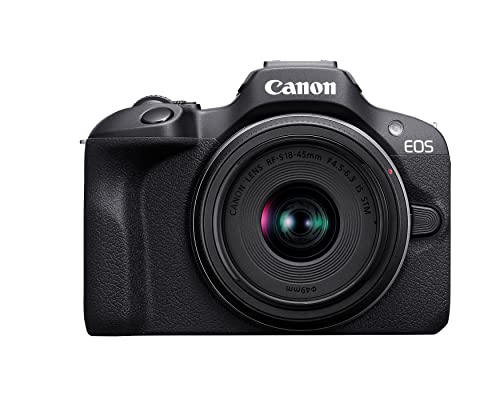
Yes, you can clean it yourself – learning how to clean camera lens glass is easy and saves you money. All you need are a few simple tools and the right steps to avoid scratches.
A dirty lens ruins your photos. It makes them look soft, hazy, and full of weird light spots. I see this problem all the time with my own gear.
I’ve cleaned hundreds of lenses over the years. It’s a simple skill that every photographer should know. You don’t need to be a pro to do it right.
This guide will show you the safe way. I’ll walk you through each step so you can get crystal clear shots again.
Why You Need to Know How to Clean Camera Lens
Think about your last blurry photo. Was the lens dirty? It probably was. Dust and smudges are the main cause of bad image quality.
When you learn how to clean camera lens surfaces, you take control. You won’t need to run to a camera shop every time. That saves you time and cash.
According to NASA, even their space cameras need regular cleaning. Dust is a universal problem for all optics. Your gear is no different.
Leaving grime on the glass can cause long-term damage. Oils from your skin can eat into lens coatings over many years. It’s a slow process, but it happens.
Clean glass means sharp photos. It’s that simple. Your camera’s sensor is only as good as the glass in front of it.
I clean my main lenses every few weeks. My kit stays in great shape because of this simple habit. You can do the same.
What You Need to Clean Your Lens
Gather your supplies first. You don’t need fancy gear. Most items are probably in your home right now.
You need a rocket blower. This little bulb puffs air to blow dust away. It’s the first tool you should use every time.
Get a soft lens brush. Look for one with natural hairs. They grab dust without scratching the delicate front element.
Microfiber cloths are essential. Use the kind made for glasses or camera lenses. Old t-shirts and paper towels will scratch your glass.
Lens cleaning fluid is your final tool. A few drops on the cloth does the trick. Never spray it directly onto the lens glass.
You might want a loupe. This small magnifier helps you see tiny dust spots. It’s not required, but it’s helpful for a perfect clean.
That’s your basic kit. It costs less than a cheap filter. This small investment protects your expensive lenses for years.
Step-by-Step: How to Clean Camera Lens Safely
Start by blowing off loose dust. Use your rocket blower from the side. Don’t touch the glass with the blower’s tip.
Next, gently brush the surface. Use light strokes from the center out. This moves dust to the edges where it’s easier to remove.
Now check for smudges. Look at the glass from an angle under a light. Fingerprints and oil spots will shine back at you.
Put a drop of lens fluid on your microfiber cloth. Never pour it on the lens itself. Too much liquid can seep into the lens barrel.
Wipe in a gentle circular motion. Start from the middle and work outward. Use light pressure – you’re wiping, not scrubbing.
Give it a final check. Hold it up to a light source. Look for any streaks or dust you missed. Repeat if needed.
That’s the core process for how to clean camera lens elements. It takes two minutes once you get the hang of it.
Common Mistakes When Cleaning Lenses
People use the wrong cloth. Paper towels and shirt sleeves have rough fibers. They will leave micro-scratches on your expensive coating.
They use too much cleaning fluid. The lens isn’t a car windshield. A single small drop on the cloth is plenty for the whole job.
They press too hard. You don’t need force. Gentle wipes lift the grime. Scrubbing grinds particles into the glass.
They clean in a dusty room. Do it in a clean area. Otherwise, new dust lands on the wet glass before you finish.
They forget the rear element. The back glass gets dirty too. It needs the same careful cleaning as the front.
They use household cleaners. Window spray or alcohol can strip the special coatings. Always use fluid made for camera lenses.
Avoid these errors. They turn a simple clean into a costly repair. Take your time and follow the steps.
How Often Should You Clean Your Lens?
Clean it when you see dust or smudges. There’s no set schedule. Your shooting environment decides the frequency.
Check before important shoots. I always give my lenses a quick once-over before a wedding or paid job. It’s part of my prep routine.
Clean after beach or desert trips. Sand and salt are brutal on lens coatings. They need removal right away.
Give it a light clean after changing lenses. Dust finds its way in during swaps. A quick blow with the blower helps a lot.
Don’t over-clean. Each wipe wears the coating a tiny bit. Clean when needed, not because you’re bored.
Store lenses with caps on. This simple habit cuts cleaning frequency in half. Both the front and rear caps matter.
Your eyes are the best guide. If photos look hazy, check the glass. A clean lens often fixes the problem.
Dealing with Tough Stains and Grime
Some messes need extra care. Tree sap or dried salt water can be stubborn. Don’t panic and don’t scrape at it.
Soak the area. Use a lens cloth dampened with more fluid. Lay it over the spot for a minute to soften the gunk.
Wipe gently after soaking. The grime should lift away easily. If it doesn’t, repeat the soaking step.
For sticky residues, try a lens pen. The carbon side can lift sticky stuff without liquid. Use it with a light touch.
Never use sharp objects. Pins, knives, or fingernails will ruin the coating. Patience and the right tools always win.
When in doubt, stop. If a stain won’t budge, take it to a pro. A small service fee beats a ruined lens.
Remember, the goal is to clean camera lens glass, not attack it. Gentle methods work best for tough jobs too.
Cleaning Lens Filters the Right Way
Filters protect your main lens. They also get dirty. The cleaning process is almost the same.
Remove the filter first. Unscrew it from the lens threads. This lets you clean both sides properly.
Clean just like a lens. Use blower, brush, cloth, and fluid. Pay attention to the threads too – dust there causes mounting issues.
Check for filter scratches. Hold it under a bright light. Deep scratches mean it’s time for a new filter.
Reattach the filter carefully. Align the threads and turn gently. Forcing it can cross-thread and damage both pieces.
A clean filter means a clean front element. It takes the brunt of the dirt. This is a key part of how to clean camera lens systems.
I use UV filters on all my lenses. They’re cheap protection. Cleaning them is much less stressful than cleaning the actual lens glass.
What About the Inside of the Lens?
You see dust inside when you look through it. It’s scary, but often harmless. Most internal dust won’t show up in your photos.
Don’t try to open the lens. Sealed lenses keep out more dust than they let in. Opening it at home invites disaster.
The FDA notes that optical devices have strict assembly environments. Your kitchen table isn’t one of them. Leave internal cleaning to experts.
If you see fungus, act fast. Those tiny spider-web lines mean moisture got inside. Fungus can spread and etch the glass.
Take a lens with fungus to a repair shop. They have clean rooms and special tools. This isn’t a DIY fix.
Prevent internal problems. Store gear in a dry place with silica gel packs. Moisture causes most internal issues.
Your job is to clean camera lens exterior surfaces. The interior is for trained technicians with the right setup.
Smart Habits to Keep Lenses Cleaner Longer
Always use a lens cap. It seems obvious, but many people skip it. The cap is your first line of defense against dust and scratches.
Store lenses in a closed bag. A camera bag with zippers keeps out dust when you’re not shooting. Don’t leave them out on a shelf.
Handle by the barrel, not the glass. Your fingers have oils. Touching the glass guarantees smudges. Get in the habit of holding the lens body.
Keep the rear cap on during swaps. Change lenses quickly with both caps ready. Do it with the camera facing down to limit dust fall.
Use a lens hood. It blocks stray light, but it also protects the front element from bumps and fingers. It’s a bumper for your glass.
Check out tips from National Park Service photographers. They work in dusty, harsh places. Their gear survival tricks are gold.
Good habits cut your cleaning work in half. They also protect your investment. A well-kept lens holds its value for years.
Frequently Asked Questions
Can I use Windex to clean my camera lens?
No, don’t use Windex. It has chemicals that can hurt the lens coating. Always use fluid made for camera lenses.
How often should I clean camera lens glass?
Clean it when you see dust or smudges affecting your photos. For most people, that’s every few weeks of regular use. Don’t over-clean.
What if I get water on my lens?
Dry it gently with a microfiber cloth right away. Don’t rub hard. If it’s salt water, clean it with lens fluid after drying to remove residue.
Can a dirty lens damage my camera?
A dirty lens won’t hurt the camera body itself. But it will ruin your photos. Dust on the rear element can also fall onto your camera’s sensor.
Is it safe to clean the camera sensor myself?
Sensor cleaning is riskier than lens cleaning. I recommend using a rocket blower only. For wet cleaning, many people prefer a professional service.
The Consumer Product Safety Commission advises caution with delicate electronics. The sensor is the heart of your camera.
What’s the best cloth for cleaning?
A clean, lint-free microfiber cloth is best. Keep it in a plastic bag when not in use. Wash it gently without fabric softener if it gets dirty.
Conclusion
So, how to clean camera lens glass? It’s a simple skill with big rewards. Sharp photos start with clean optics.
Gather the right tools. Follow the gentle steps. Avoid the common mistakes. Your lenses will thank you with years of clear service.
Start today with your most-used lens. You’ll see the difference in your very next photo. Clear glass makes all the hard work worth it.
Related Posts