I get it. You want to take better pictures. Your phone just isn’t cutting it anymore.
But camera stores are full of confusing gear. All the buttons and numbers can scare you off.
Don’t worry. I’ve tested dozens of cameras over the years. I know what works for a new person.
This guide will show you the best picks. We’ll keep it simple and talk about real use.
What Makes a Good Starter Camera?
Let’s break this down. A good first camera needs a few key things.
It should feel good in your hands. You don’t want something too heavy or too small.
The menus need to be easy to read. You shouldn’t need a manual just to change a setting.
Price is a big deal too. You don’t want to spend a ton of money on a hobby you might not love yet.
So what’s a good starter camera that fits this? We’ll look at a few types next.
Remember, the best camera is the one you’ll actually use. Fancy gear won’t help if it stays in the bag.
Types of Cameras for Beginners
You have three main choices. Each one has good points and bad points.
First, we have point-and-shoot cameras. They are small and fit in your pocket.
These are super simple. You just turn them on and press the button to take a picture.
Then there are mirrorless cameras. They are the new hot thing in the camera world.
They are smaller than old DSLRs. But they let you change lenses as you get better.
Last, we have DSLR cameras. These are the classic, bigger cameras with a mirror inside.
They can be found used for a good price. Many people start with a basic DSLR model.
So what’s a good starter camera type? For most new people, I say go mirrorless.
Our Top Picks for a First Camera
I’ll give you my short list. These are cameras I’ve used or recommended to friends.
The Sony a6100 is a great mirrorless pick. It has a screen that flips so you can see yourself.
It focuses on faces and eyes really fast. This helps you get sharp pictures of.
The Canon EOS Rebel T7 is a classic DSLR. It’s often on sale for a very low price.
It feels solid and the menus are simple. You can find lots of used lenses for it too.
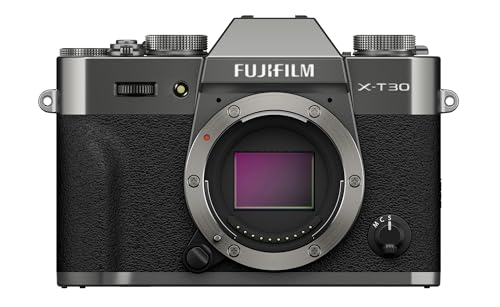
The Fujifilm X-T30 is a bit more pricey. But it makes you feel like a real photographer.
It has old-school dials on top. You turn them to change settings, which is fun to learn.
When you ask “what’s a good starter camera,” one of these three is likely the answer.
Why a Kit Lens is Your Best Friend
Cameras often come with a “kit lens.” This is the basic lens in the box.
Don’t think you need to buy extra glass right away. The kit lens is actually pretty good.
It usually zooms from a wide view to a closer view. This lets you try different types of shots.
You can take pictures of a big landscape. Then zoom in for a portrait of a friend.
It’s light and doesn’t cost extra. This makes it a perfect learning tool.
Stick with the kit lens for at least six months. Learn what you like to shoot first.
Then you can ask “what’s a good starter lens to buy next?” That’s a question for another day.
Key Features to Look For
Let’s talk about specs. But I’ll keep it simple, I promise.
Look for a camera with a flip-out screen. This lets you take pictures from high or low angles.
It also helps if you want to film yourself. Vlogging is a fun way to use your new camera.
Good autofocus is a must. You want the camera to find your subject quickly and stick to it.
Battery life matters more than you think. Check reviews to see how many shots you get per charge.
Wi-Fi or Bluetooth is really handy. It lets you send pictures to your phone right away to share.
So what’s a good starter camera feature? A flip screen and simple wireless connection win for me.
These things make the camera more fun to use every day. That’s the whole point.
Buying New vs. Used Gear
This is a big question. Should you buy a brand new camera or a used one?
Buying new is safe. You get a warranty and you know no one has dropped it.
But it costs more money. Camera tech changes fast, so last year’s model is still great.
Buying used can save you a lot. You might afford a better camera for the same price.
Look at sites like KEH or MPB. They check the gear and give it a rating so you know what you get.
I bought my first good camera used. It worked perfectly for years.
If you’re careful, a used camera is a smart way to start. It lets you answer “what’s a good starter camera” with more options.
Common Mistakes to Avoid
I see new people make the same errors. Let’s skip those headaches.
Don’t buy too much camera. A pro model will confuse you and you’ll use auto mode anyway.
Don’t forget about the extra costs. You need a memory card, a case, and maybe an extra battery.
Don’t ignore how the camera feels. Go to a store and hold it if you can.
A camera that feels bad in your hands will stay at home. That’s a waste of money.
Don’t get stuck reading reviews forever. At some point, you just have to pick one and start shooting.
Asking “what’s a good starter camera” is the first step. Actually buying one and using it is the next.
How to Learn with Your New Camera
You got the camera. Now what? Don’t just leave it on auto forever.
Learn one thing at a time. Spend a week just playing with the zoom on your kit lens.
The next week, learn about aperture. This is the setting that makes backgrounds blurry.
There are great free resources online. The Photography Talk website has simple lessons for beginners.
Take your camera with you often. Practice is the only way to get better.
Don’t worry about taking perfect pictures at first. Just take a lot of pictures and see what you like.
Soon, you won’t be asking “what’s a good starter camera.” You’ll be telling your friends what to buy.
When to Upgrade Your Gear
You might outgrow your first camera. That’s a good sign! It means you’re learning.
Upgrade when you hit a real limit. Your camera is too slow, or it can’t do a thing you need.
Don’t upgrade just because a new model came out. New gear won’t make you a better photographer.
Your skills are more important. A pro can take a great picture with a basic camera.
According to National Park Service guides, they use simple cameras to document parks. The eye matters most.
So use your starter camera until it holds you back. That could be years from now.
By then, you’ll know exactly what you want next. You won’t need to ask “what’s a good starter camera” anymore.
Frequently Asked Questions
What’s a good starter camera for under $500?
Look at the used market. A used Sony a6000 or Canon M50 can be found near this price. They are both great starter cameras that do a lot.
What’s a good starter camera for video?
Many beginners want to film too. The Sony ZV-E10 is made for this. It has a microphone jack and great autofocus for video, making it a good starter camera for creators.
Is a DSLR or mirrorless better for a beginner?
Today, I say mirrorless. They are smaller, lighter, and what all companies are making now. The electronic viewfinder shows you the shot before you take it, which helps you learn.
What’s a good starter camera brand?
Sony, Canon, and Fujifilm are all safe bets. They make easy-to-use models with good menus. Go to a store and see which menu system makes sense to you. That’s your brand.
How many megapixels do I need?
Don’t worry about this number too much. Any modern camera has plenty. Even 20 megapixels is enough for huge prints. More megapixels don’t make a good starter camera better.
What extra gear should I buy first?
A good strap is key. It makes carrying the camera easier. Then get a big memory card and a simple camera bag. You can add more stuff later as you figure out what you need.
Conclusion
So, what’s a good starter camera? It’s the one that gets you excited to take pictures.
It should be simple, feel good, and not cost a fortune. A mirrorless camera with a kit lens is a safe bet for most people.
Remember, the gear is just a tool. Your creativity is the magic part. Go out and start shooting.
You’ll make mistakes. That’s how you learn. Your first camera is the beginning of a fun journey.
Related Posts